In interior photography, lighting is one of the most important elements to create images attractive and realistic. My experience as a photographer of interiors has taught me that, whenever possible, natural light will provide excellent results even in low light conditions. Take advantage of the light of day allows you to capture the space as perceived by a visitor or potential buyer, conveying authenticity and harmony in each photograph.
Photography for real estate and short therm rentals
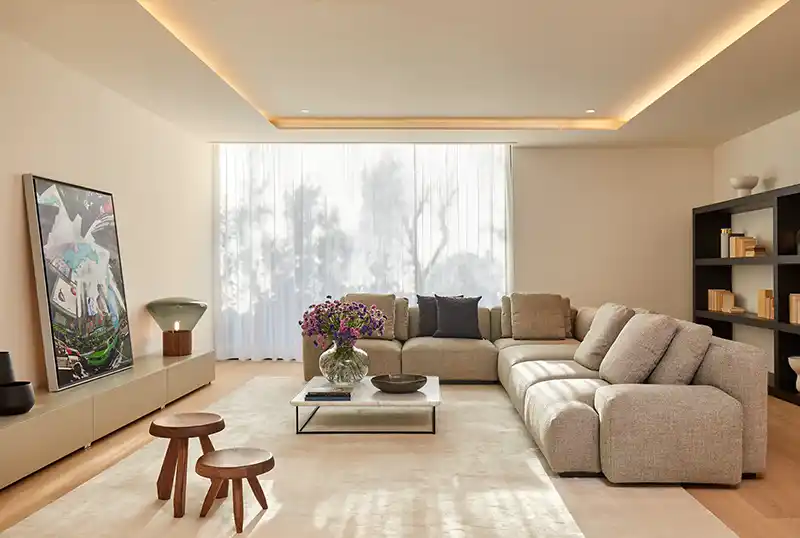
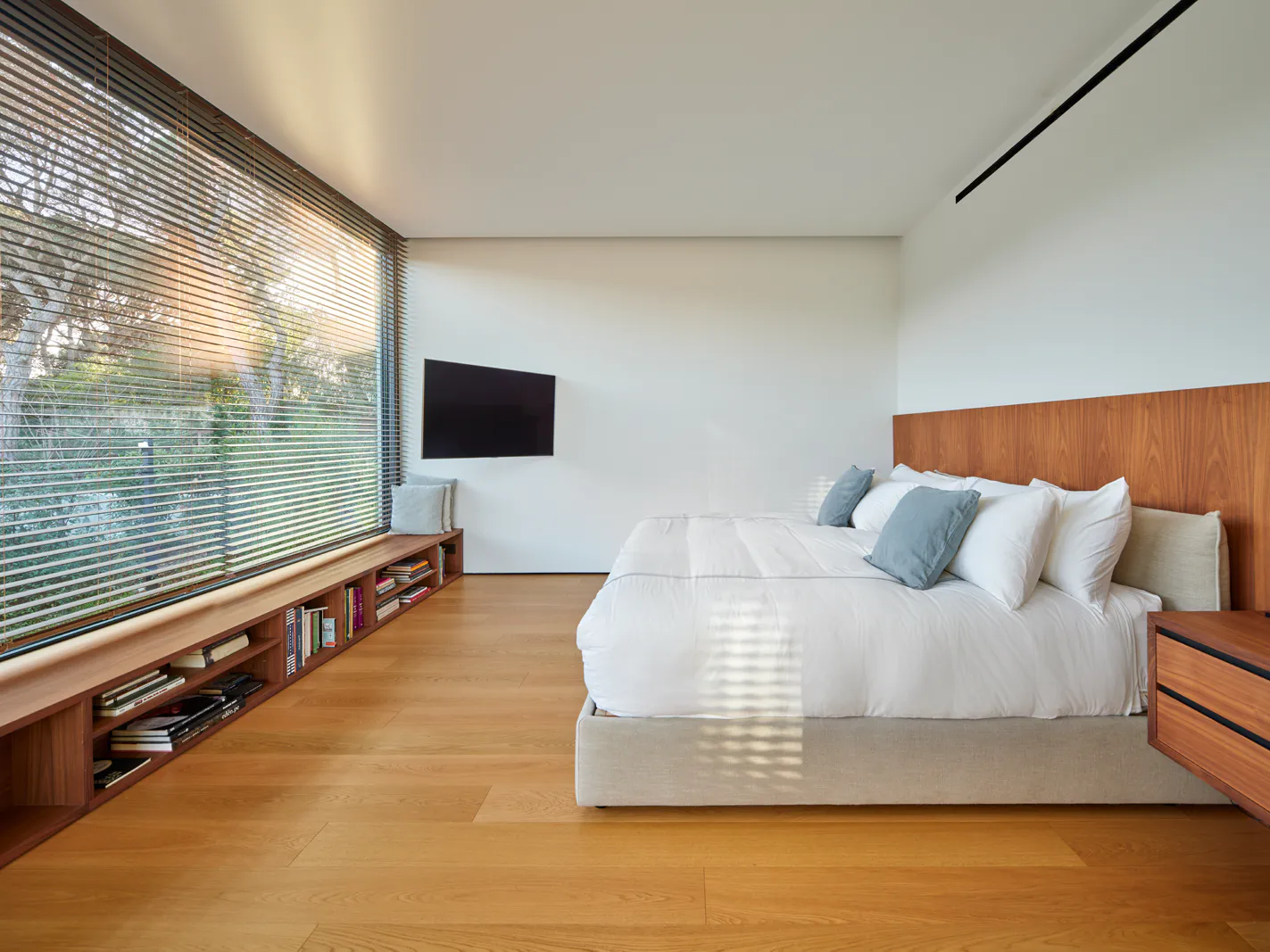
In projects of real estate or photography available to rent by the seasons, the natural light is usually the best option. Customers looking to see how to light up the room during the day, how light comes in through the windows, and how spaces are perceived in real-world conditions. The time of day influences the results: by the morning, the light tends to be more soft and golden, while the afternoon tends to be more intense and direct. To capture external views, as the sea from a window, the light of the evening, you can intensify colours and contrasts, while the “golden hour” before sunset creates a warm and welcoming effect.
When to use artificial light in photography
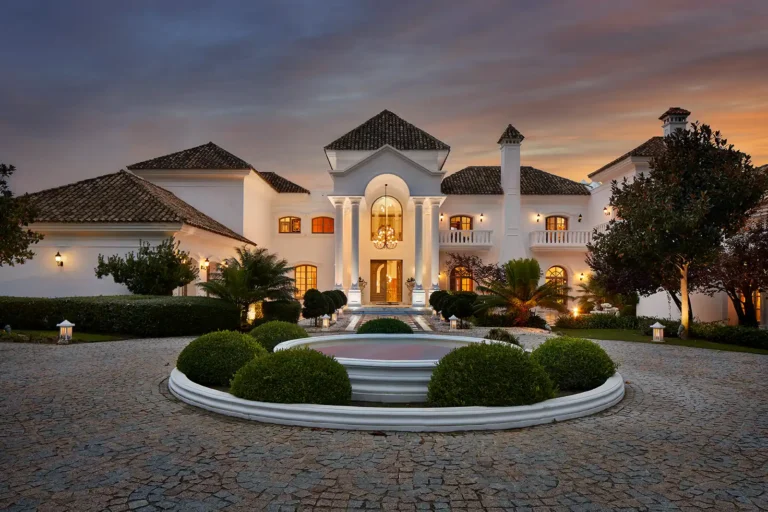
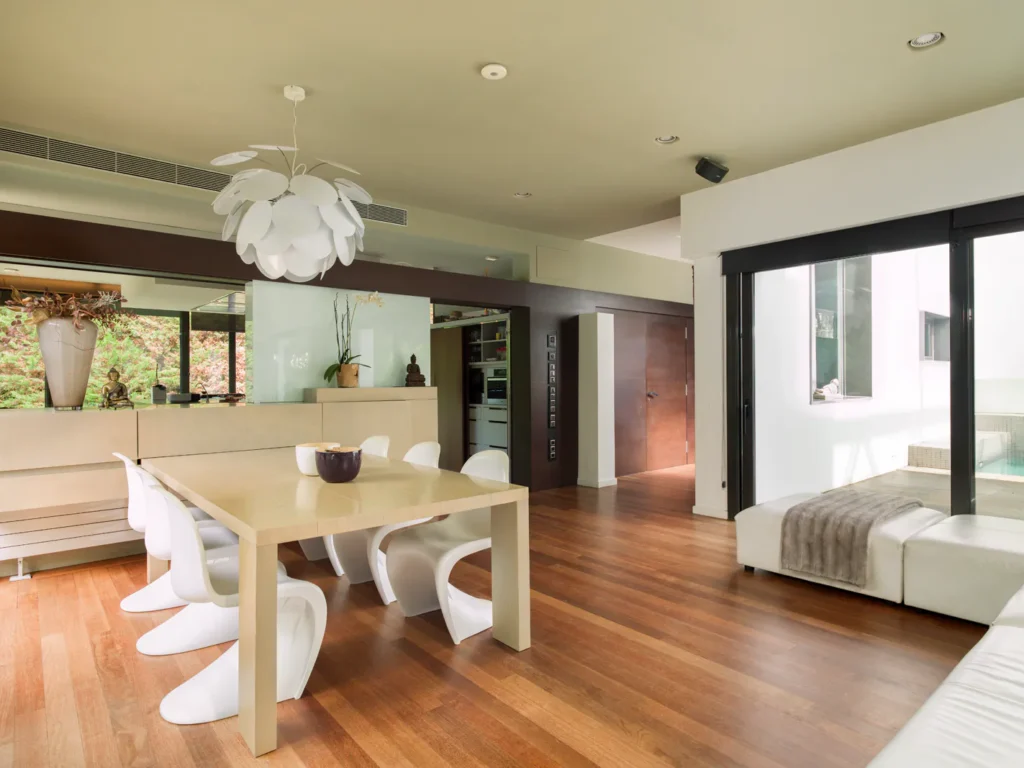
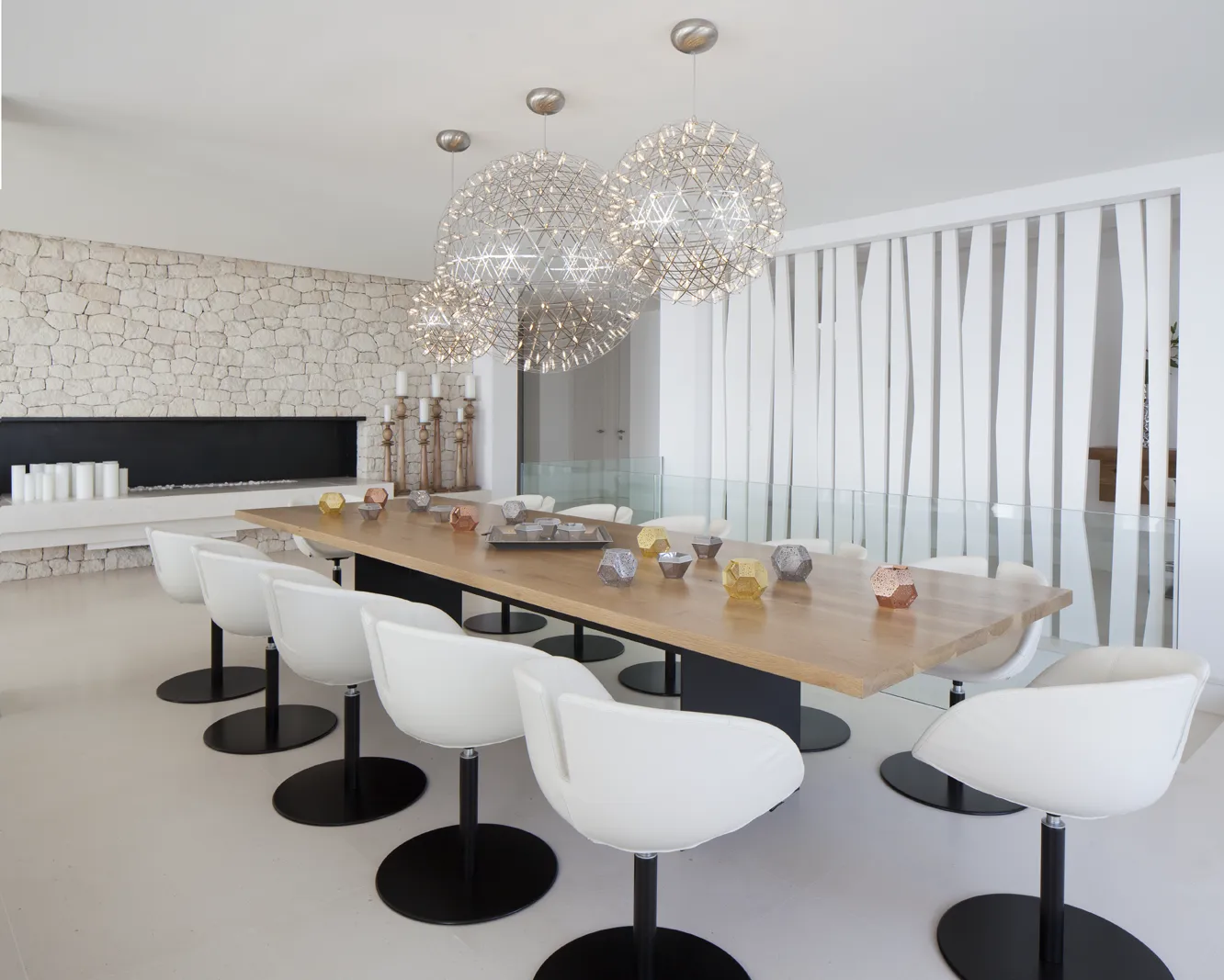
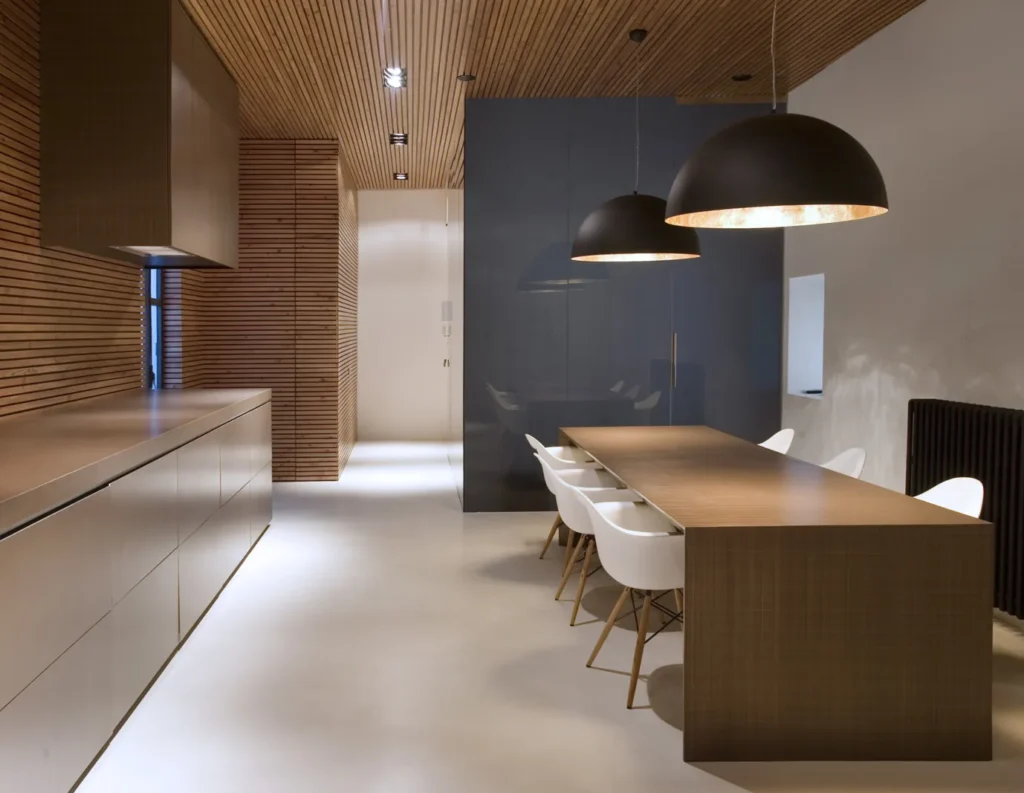
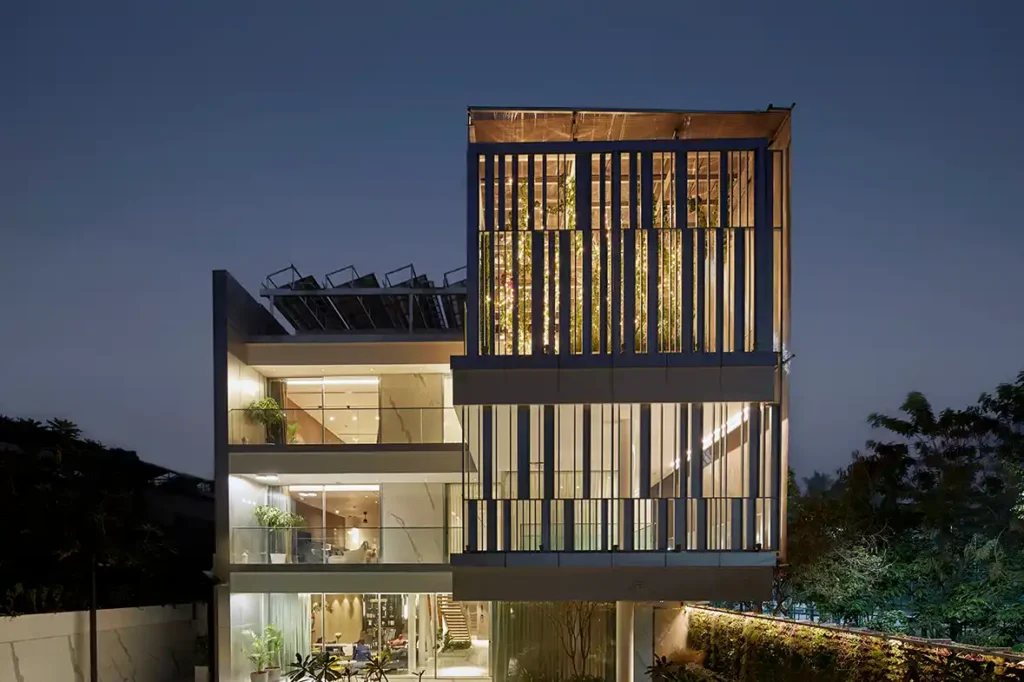
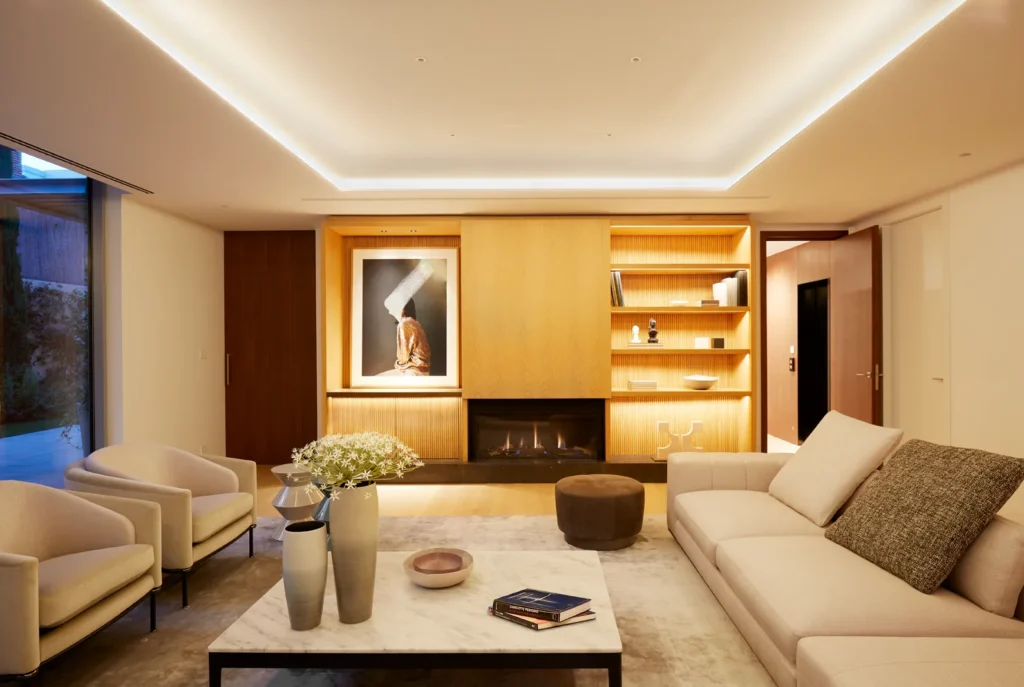
The artificial light is more complex to manage, as it is a mix of different tones and sources. Its use is recommended mainly in hotels, restaurants, commercial spaces or homes with lighting designs-specific. Turn on the lights only makes sense when they form an integral part of the interior design and add warmth to the space. In other cases, it is preferable to adjust the exposure and take the maximum advantage of the available light in the room, avoiding to overload the scene with artificial lights that can alter the perception of the real space.
Balance and color correction
One of the challenges of the artificial light is to balance tones and get a point of warmth right. The artificial light is usually yellow, and a correction towards pure white can be unflattering. It is necessary to adjust the lighting for each space, changing light bulbs, intensity and color temperature to achieve a harmonic imaging. This task requires experience, because every room responds differently to artificial light.
Mixing flashes aka flambient
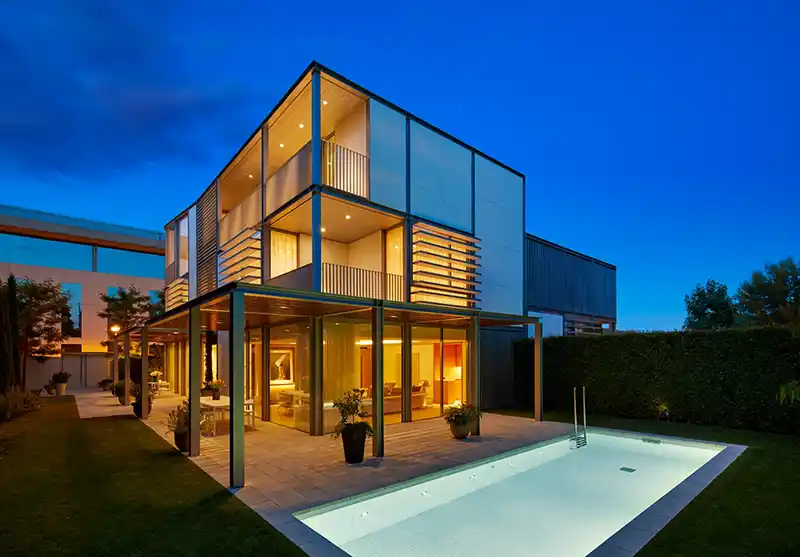
The technique of multiexposición flash combined with the editing layers, known in the world of photography as a “flambient”, allows a precise control of the lighting in each area of the image. This approach is especially useful in photography of interiors and real estate, as it allows you to balance natural light with speedlights strategic to highlight architectural details, textures and colors without over-exposing any area. The main advantage is the possibility to adjust the exposure zones, achieving images bright, and well balanced even in complex spaces. However, it is essential to take care of the issue so that the resulting light is perceived to be natural; a excess of touch-up or a bad balance of shades can make the scene lose authenticity, and look artificial. The technique flambient, if properly applied, provides photographs of interiors that combine realism and visual appeal, highlighting the atmosphere of the space as its architectural features.
Conclusions
The choice between natural or artificial light depends completely upon the scenes that we need to photograph. If we decided to use the artificial light existing in the space, it is imperative that the lighting design is consistent for good results. When using a flash indoors, it is essential to integrate it in a way that does not emphasize on natural light, achieving a harmonious balance in the image. Whenever conditions permit, the natural light, combined with a good choice of the time of day, remains the most effective solution in most of the cases, offering photos of interiors realistic, attractive and with the right atmosphere.